


Shoes for Plantar Fasciitis
Supportive shoes for heel and arch pain
Supportive shoes are one of the simplest ways to ease plantar fasciitis. Our shoes combine arch support, cushioned heels and removable insoles with true extra widths, so you get support without a tight fit.
- Widths 2E to 6E
- Arch support
- Cushioned heels
- Removable insoles

What is plantar fasciitis?
The plantar fascia is a thick band of tissue that runs along the bottom of your foot, from the heel to the toes. It supports your arch. When it becomes irritated, it causes plantar fasciitis, one of the most common causes of heel pain.
The pain is usually at the bottom of the heel. It is often worst with the first steps in the morning, or after sitting for a long time. Tight calf muscles, a high arch, standing for long periods and weight gain can all add to the strain.
According to the American Academy of Orthopaedic Surgeons, more than 90% of people improve within 10 months with simple treatment. This includes rest, calf and foot stretches, supportive shoes and shoe inserts such as heel cups or orthotics.
If your heel pain does not get better, see a podiatrist or doctor.
Wide fit best sellers for plantar fasciitis
Our best-selling supportive styles from the last six months.
Women's
Shop all women's


What to look for in shoes for plantar fasciitis
Arch support
Good arch support takes strain off the plantar fascia with every step.
Shop Skechers Arch FitA cushioned heel
Extra cushioning under the heel softens the impact where it hurts most.
Shop cushioned sneakersTrue extra widths
A shoe that is too narrow pushes your foot off its support. Choose your true width.
Learn about widthsSupport at home
Avoid going barefoot on hard floors. Choose supportive slippers with a cushioned heel.
Shop slippersShop wide fit styles
Getting the fit right

Do
- Choose shoes with arch support and a cushioned heel.
- Check that your heel is held firmly.
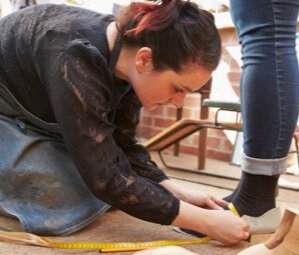
- Measure both feet and fit to the larger one.
- Stretch your calves and feet each day.
- Replace worn-out shoes.
Avoid
- Walking barefoot on hard floors.
- Flat, unsupportive shoes and flip-flops.
- Shoes with worn-down heels.
- Shoes so narrow your foot spills over the sole.
- Going up a size to get more room.

Supportive sneakers up to 6E
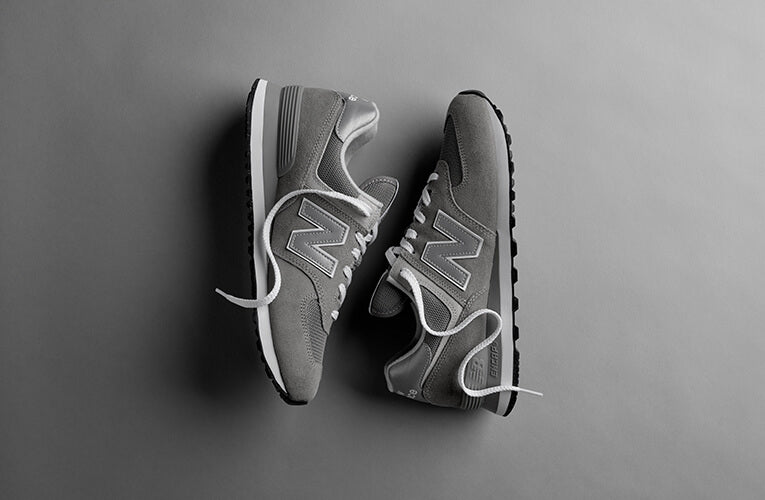
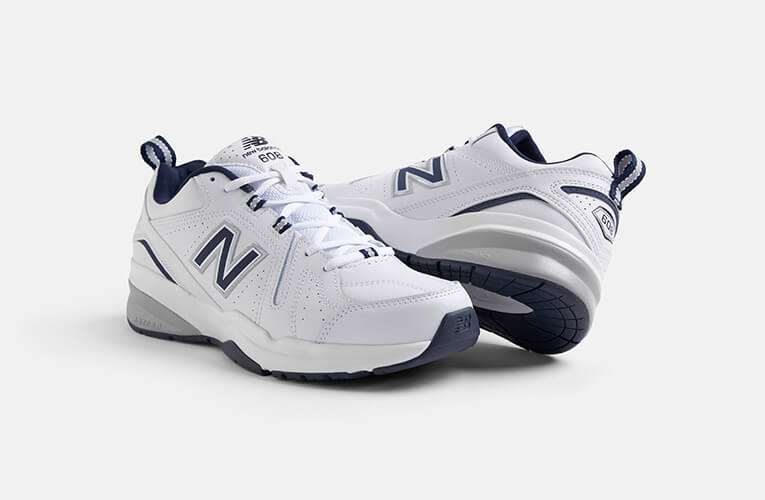
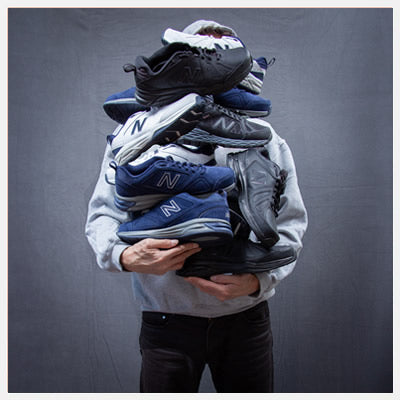
New Balance walking sneakers like the 928 and 880 combine stability, cushioning and true wide widths, with removable insoles for your own orthotics.
Not sure of your width?
Measure your feet at home. Then use our tools to find your width.

Plantar fasciitis shoe questions
What is plantar fasciitis?
Plantar fasciitis is irritation of the plantar fascia, a thick band of tissue that runs along the bottom of the foot from the heel to the toes. It is one of the most common causes of heel pain.
What shoes are best for plantar fasciitis?
Choose supportive shoes with good arch support, a cushioned heel and a firm heel counter. A removable insole lets you use a heel cup or orthotic. Shop women's or shop men's.
Why does my heel hurt most in the morning?
The plantar fascia tightens while you rest. The first steps after getting out of bed, or after sitting for a long time, stretch it again and cause pain.
Will plantar fasciitis get better?
According to the AAOS, more than 90% of people improve within 10 months with simple treatment, such as rest, stretching, supportive shoes and shoe inserts.
Should I walk barefoot at home?
Walking barefoot on hard floors can make heel pain worse. Supportive shoes or slippers with a cushioned heel are a better choice at home.