


Shoes for Diabetics
Roomy, protective shoes that fit without rubbing
With diabetes, a shoe that rubs can cause a sore you may not feel. Our shoes come in true extra widths with roomy toe boxes, soft uppers and adjustable fastenings, so they fit well and protect your feet.
- Widths 2E to 8E
- Roomy toe boxes
- Adjustable fit
- Removable insoles

Why the right shoes matter with diabetes
Diabetes can damage the nerves in your feet. This is called neuropathy. It can make your feet numb, so you may not feel a blister, a cut or a pebble in your shoe.
Diabetes can also reduce blood flow to your feet. When blood flow is poor, sores heal more slowly and can become infected.
The CDC advises people with diabetes to check their feet every day, wear shoes and socks at all times, and check inside their shoes before putting them on. Shoes should fit well and protect your feet.
If you have a sore that is not healing, or any change in the color, shape or feeling of your feet, call your doctor right away. Ask your doctor or podiatrist to check your feet at every visit.
Wide fit best sellers for diabetics
Our best-selling roomy, supportive styles from the last six months.
Women's
Shop all women's


What to look for in shoes for diabetics
The right width
A shoe that is too narrow can rub and cause blisters. Choose your true width, from 2E up to 8E.
Learn about widthsA roomy toe box
Deep, roomy toe boxes stop your toes from pressing against the shoe.
Shop deep-fitting shoesA smooth lining
Check that the inside is smooth, with no rough seams that could rub your skin.
Shop women's stylesAn adjustable fit
Laces or hook-and-loop straps hold your foot securely and adjust if your feet swell.
Shop hook-and-loop shoesA removable insole
Swap the insole for a custom orthotic or insert from your podiatrist.
Shop removable insolesClosed, protective uppers
Closed shoes and slippers protect your feet from bumps and cuts, even at home.
Shop slippersShop wide fit styles
Protect your feet every day

Do
- Check your feet every day for cuts, blisters, redness or swelling.
- Wear shoes and socks at all times, even indoors.
- Feel inside your shoes before you put them on.
- Measure both feet and fit to the larger one.
- Have your feet checked at every doctor visit.
Avoid
- Walking barefoot.
- Shoes that feel tight. There is no break-in period.
- Pointed toes and high heels.
- Rough seams inside the shoe.
- Going up a size to get more room.

Supportive sneakers up to 6E
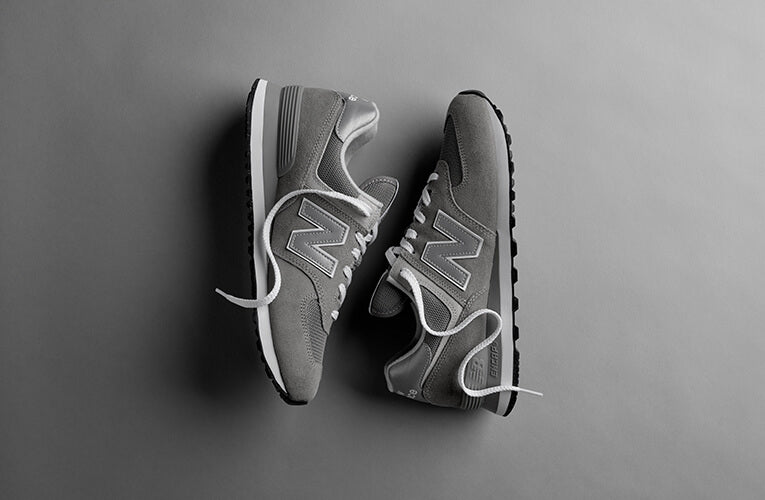
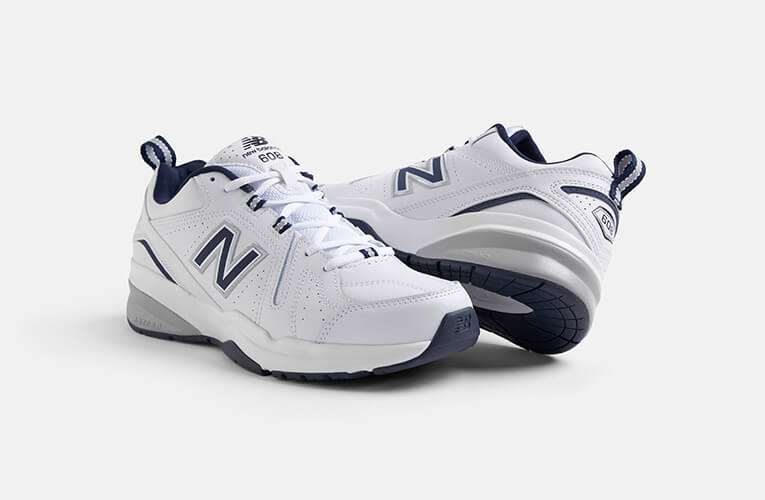
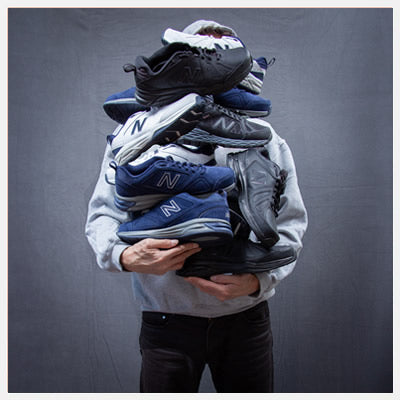
New Balance makes many of our best sellers in true wide widths, up to 6E. Most have a removable insole, so you can use your own orthotic.
Not sure of your width?
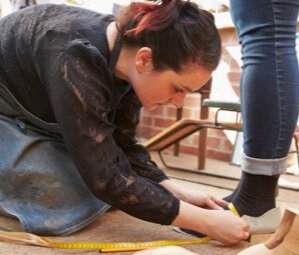
Measure your feet at home. Then use our tools to find your width.

Diabetic shoe questions
Why does diabetes affect my feet?
Diabetes can damage the nerves in your feet, so you may not feel a blister or sore. It can also reduce blood flow, so injuries heal more slowly. A small rub from a tight shoe can become a serious problem.
What shoes are best for diabetics?
Choose shoes that fit well and protect your feet. Look for a roomy toe box, the right width, a smooth lining and a soft upper. Laces or hook-and-loop straps help you get a secure fit. Shop women's or shop men's.
Should I wear shoes at home?
The CDC advises people with diabetes to wear shoes and socks at all times, even indoors, and never to walk barefoot. Closed slippers are a good choice at home.
How should I check my shoes?
Before you put your shoes on, feel inside them for pebbles, rough seams or anything sharp. Check your feet every day for cuts, blisters, redness or swelling.
Are these medical diabetic shoes?
Our shoes are wide fit comfort shoes, not prescription footwear. If you have nerve damage, foot sores or a foot deformity, ask your doctor or podiatrist what footwear you need.