


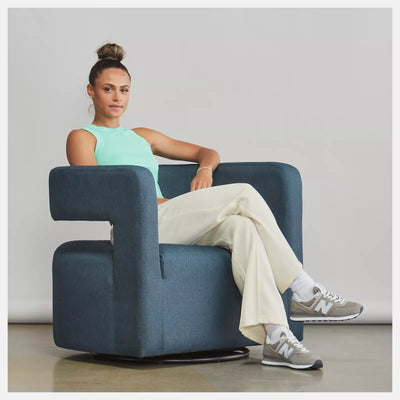
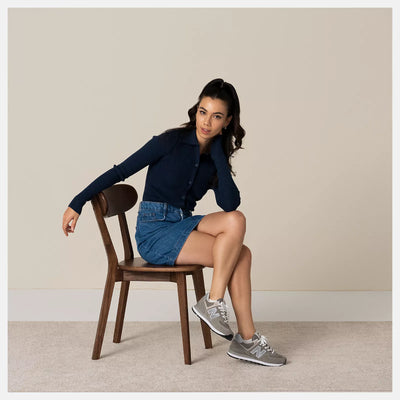
Shoes for Flat Feet
Stable, supportive shoes for low arches
Flat feet often spread wider when you stand. Our shoes combine arch support and stability with true extra widths, so your feet are supported without being squeezed.
- Arch support
- Stable soles
- Widths 2E to 6E
- Removable insoles

What are flat feet?
With flat feet, the arch on the inside of your foot is low or missing. When you stand, most of the sole touches the ground. Doctors call this flatfoot.
Many people have flexible flat feet. The arch shows when you sit or stand on tiptoe, but flattens when you stand. This often causes no pain. Flat feet can also develop in adults, for example when the tendon that supports the arch is injured or worn.
When flat feet hurt, the pain is often along the inside of the foot and ankle. The feet may also feel tired after walking or standing. According to the American Academy of Orthopaedic Surgeons, an orthotic is the most common nonsurgical treatment for flatfoot. Supportive shoes also help.
If your feet hurt, or one arch drops, see a podiatrist or doctor.
Wide fit best sellers for flat feet
Our best-selling supportive styles from the last six months.
Women's
Shop all women's


What to look for in shoes for flat feet
Arch support
Built-in arch support helps hold up a low arch and eases strain on the inside of the foot.
Shop Skechers Arch FitStability
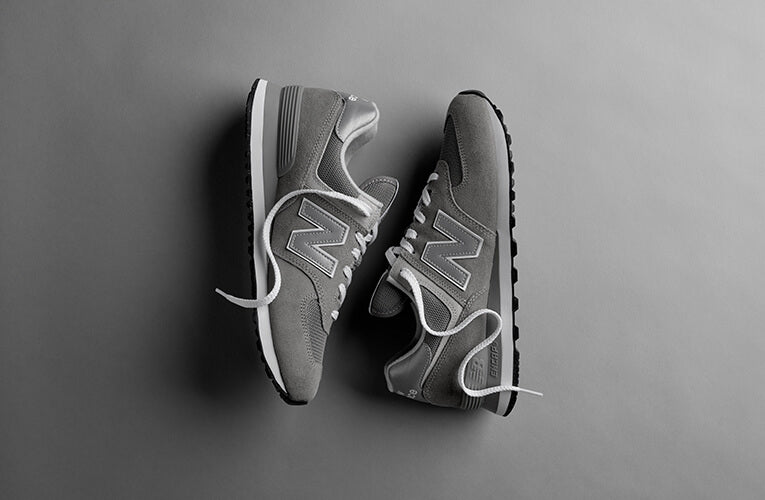
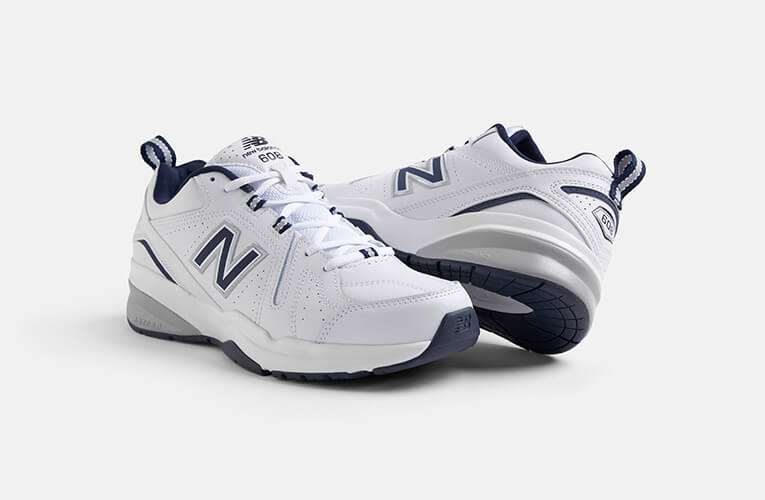
Stability sneakers like the New Balance 928 stop the foot rolling inward.
Shop New BalanceA removable insole
Swap in an orthotic, the most common treatment for painful flat feet.
Shop shoes for orthoticsTrue extra widths
Flat feet spread when you stand. Choose your true width instead of going up a size.
Learn about widthsA wide, flat base
A broad sole gives a steady platform. Avoid high heels and very soft, unstable soles.
Shop flat shoesShop wide fit styles
Getting the fit right

Do
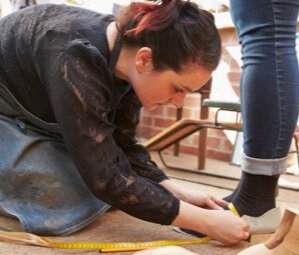
- Measure your feet standing up, when they spread the most.
- Fit your shoes to the larger foot.
- Try shoes on with your orthotics.
- Check that the heel is held straight.
- Replace shoes when the sole starts to lean.
Avoid
- Flat, unsupportive shoes and flip-flops.
- Very soft, wobbly soles.
- High heels.
- Shoes so narrow your foot spills over the sole.
- Going up a size to get more room.

Stability sneakers up to 6E
New Balance stability walking sneakers like the 928 support low arches and come in true wide widths, up to 6E.
Not sure of your width?
Measure your feet at home. Then use our tools to find your width.

Flat feet shoe questions
What are flat feet?
With flat feet, the arch on the inside of the foot is low or missing, so most of the sole touches the ground when you stand. Many people have flexible flat feet that cause no pain.
What shoes are best for flat feet?
Choose stable, supportive shoes with arch support, a firm heel counter and a wide, flat base. A removable insole lets you use an orthotic. Shop women's or shop men's.
Do flat feet need orthotics?
If flat feet cause pain, the AAOS says an orthotic is the most common nonsurgical treatment. A podiatrist or doctor can advise whether you need one.
Are flat feet often wide?
Flat feet often spread out when you stand, so they can need a wider shoe. Choose your true width rather than going up a size. Our Width Fit Finder can help.
Should I see a doctor about flat feet?
See a podiatrist or doctor if your feet hurt, if one arch drops, or if your feet feel stiff or tired after walking.