


Shoes for Bunions
Wide toe boxes that take the pressure off your bunion
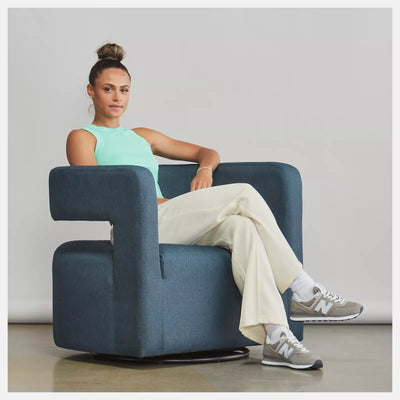
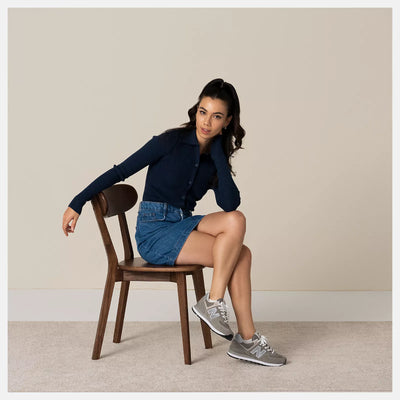
A bunion needs room at the side of the foot. Our shoes come in true extra widths from 2E to 8E, with roomy toe boxes and soft uppers, so nothing presses on the joint.
- Widths 2E to 8E
- Wide toe boxes
- Soft, stretchy uppers
- Removable insoles

What is a bunion?
A bunion is a bony bump at the base of the big toe. The big toe leans toward the second toe, and the joint pushes out at the side of the foot.
Bunions often run in families. Tight, narrow shoes do not always cause them, but they can press on the bump and make the pain worse. The skin over the bunion can get red, sore and swollen.
Doctors often start with simple steps. Wear roomy, comfortable shoes with a wide toe box. Avoid high heels and pointed toes. Pads over the bunion can also help.
If the pain does not go away, or it stops you from walking normally, see a podiatrist or doctor.
Wide fit best sellers for bunions
Our best-selling roomy styles from the last six months.
Women's
Shop all women's


What to look for in shoes for bunions
A wide toe box
A wide, roomy toe box lets the big toe joint sit without pressure from the side of the shoe.
Shop wide toe box shoesA soft upper
Soft leather, mesh or stretch fabric gives over the bunion. Avoid stiff seams across the joint.
Shop soft sneakersTrue extra widths
Choose your width, from 2E up to 8E. Do not go up a size to get more room.
Learn about widthsAn adjustable fit
Laces or hook-and-loop straps let you loosen the shoe when your bunion is sore.
Shop hook-and-loop shoesA removable insole
Take out the insole to add an orthotic or a pad from your podiatrist.
Shop removable insolesA low heel
High heels push your weight onto the front of the foot and the bunion. Choose a low heel.
Shop flat shoesShop wide fit styles
Getting the fit right

Do
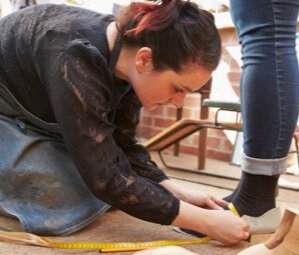
- Measure the width across the widest part of your foot, over the bunion.
- Fit your shoes to the larger foot.
- Leave about a half inch of space past your longest toe.
- Try shoes on late in the day.
- Check that nothing presses on the bunion.
Avoid
- Pointed or narrow toes.
- High heels.
- Stiff seams over the joint.
- Going up a size to get more room.
- Shoes that need breaking in.

Roomy sneakers up to 6E
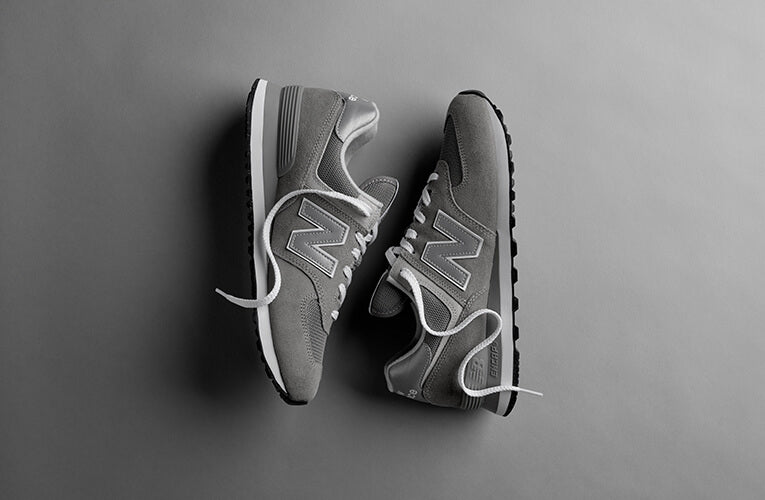
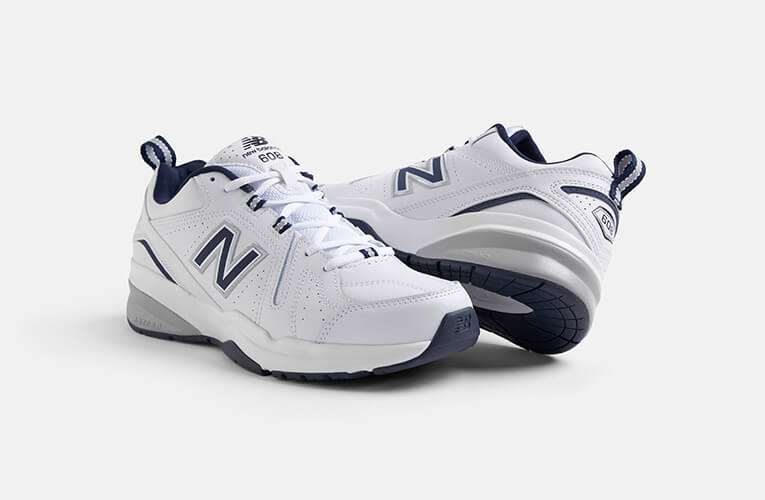
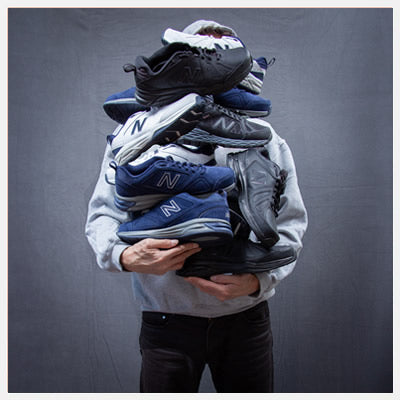
New Balance makes many of our best sellers in true wide widths, up to 6E. Soft mesh uppers give extra room over a bunion.
Not sure of your width?
Measure your feet at home. Then use our tools to find your width.

Bunion shoe questions
What is a bunion?
A bunion is a bony bump at the base of the big toe. The big toe leans toward the second toe, and the joint pushes out at the side of the foot.
What shoes are best for bunions?
Choose roomy, comfortable shoes with a wide toe box and a soft upper. They take pressure off the bunion. Avoid tight, narrow and pointed shoes and high heels. Shop women's or shop men's.
Can shoes make a bunion worse?
Tight, narrow shoes can press on the bunion and make the pain worse. Shoes with enough width help keep the joint comfortable.
Should I go up a size for a bunion?
No. A longer shoe does not add width at the joint, and your foot can slide forward. Keep your normal length and choose a wider width. Our Width Fit Finder can help.
When should I see a doctor about a bunion?
See a podiatrist or doctor if the pain does not go away, if it stops you from walking normally, or if roomy shoes and pads do not help.