



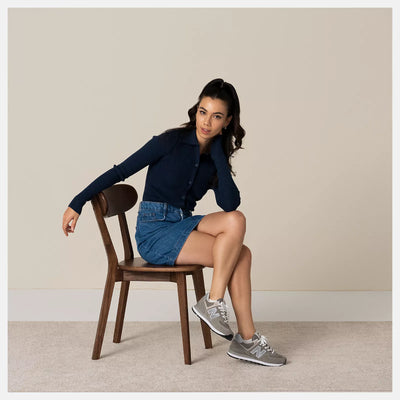
Deep Fitting Shoes & Wide Toe Box Shoes
Deep-fitting shoes with room for your toes and your orthotics
Our deep-fitting shoes have a deep, roomy toe box and true extra widths. Many styles have a removable insole, so your orthotic fits without crowding your foot.
- Widths 2E to 8E
- Deep, roomy toe boxes
- Removable insoles
- Room for orthotics

What is a deep-fitting shoe?
A deep-fitting shoe has extra room inside, from the sole to the top of the shoe. The toe box is the front part of the shoe where your toes sit. The deeper the toe box, the more room for your toes.
A deeper toe box has more room for a bunion, hammer toes and a wide forefoot. A square toe box is the best shape. If you cannot get a square toe box, a round one is a better choice than a pointed one.
Extra depth also gives you space for an orthotic. It is difficult to add an orthotic to a shoe with a sewn-in tongue. Look for a removable insole and a tongue that is not attached to the sides.
Your feet should never have to take the shape of your shoes. If you are not sure which orthotic or shoe features you need, ask your podiatrist.
Deep-fitting best sellers
Our best-selling roomy styles with removable insoles from the last six months.
Women's
Shop all women's


What to look for in deep-fitting shoes
A deep toe box
A deeper toe box gives more room for bunions, hammer toes and a wide forefoot.
Shoes for bunionsA square or round toe
A square toe box is the best shape. A round toe is a better choice than a pointed one.
Shop roomy sneakersA removable insole
Take out the insole to make space for your orthotic. Look for a tongue that is not sewn to the sides.
Shop removable insolesLaces or adjustable straps
Laces, buckles or hook-and-loop (Velcro) straps hold your foot and give your arch more support.
Shop hook-and-loop stylesTrue extra widths
Choose your width, from 2E up to 8E. Do not go up a size to get more room.
Learn about widthsShop deep-fitting styles
Getting the fit right

Do
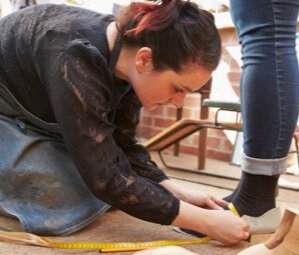
- Measure the length and width of both feet.
- Fit your shoes to the larger foot.
- Try shoes on late in the day.
- Wear your orthotic when you try on new shoes.
- Leave about a half inch of space past your longest toe.
Avoid
- Pointed or narrow toes.
- Heels higher than 2 inches.
- Going up a size to get more width.
- Shoes that feel tight. There is no break-in period.
- Sewn-in tongues if you add a thick orthotic.

Roomy sneakers in 2E to 6E
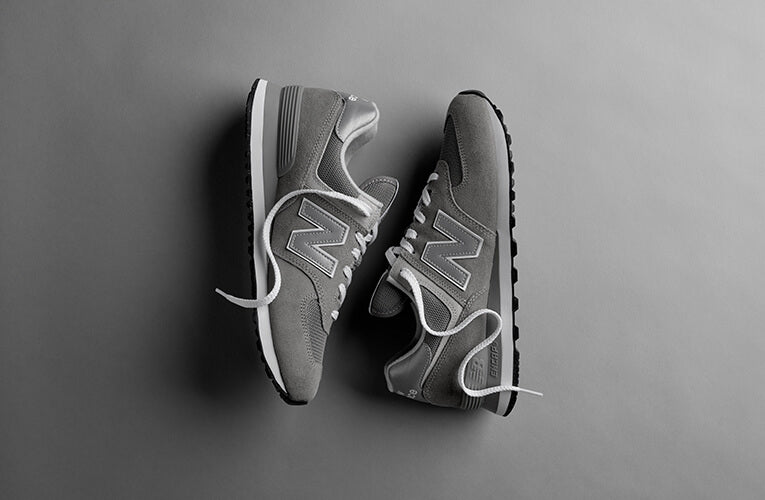
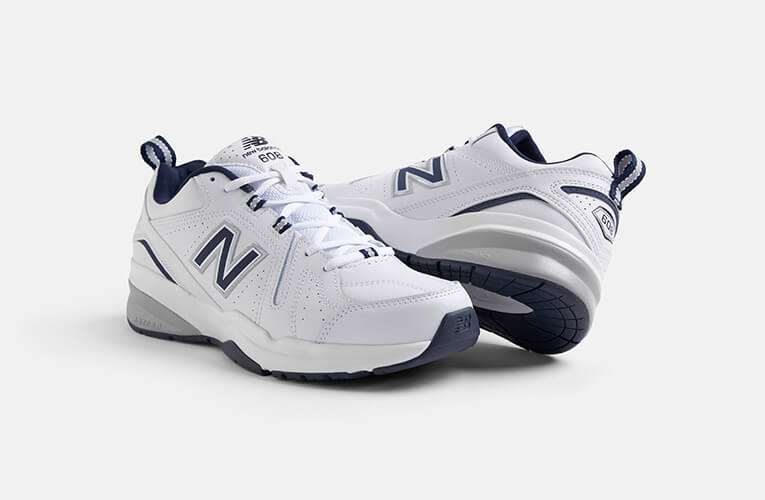
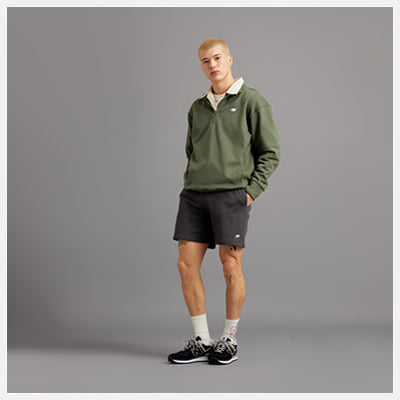
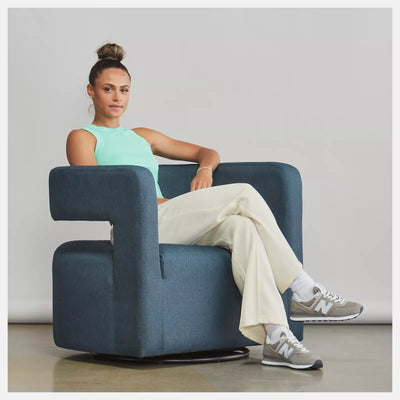
New Balance makes many of our best sellers in true wide widths. Most have a removable insole, so you can use your own orthotic.
Not sure of your width?
Measure your feet at home. Then use our tools to find your width.

Deep-fitting shoe questions
What are deep-fitting shoes?
Deep-fitting shoes have extra room inside, from the sole to the top of the shoe. A deep toe box gives your toes more space. Many deep-fitting shoes also have a removable insole, so you can add an orthotic.
Who needs deep-fitting shoes?
Deep-fitting shoes help if you wear orthotics, or if you need more room for bunions, hammer toes or a wide forefoot. A deeper toe box has more room for these foot shapes.
Will my orthotic fit in these shoes?
Many of our styles have a removable insole. Take out the insole and put in your orthotic. Shoes with a tongue that is not sewn to the sides also make it easier to add an orthotic. Wear your orthotic when you try on new shoes.
What is the difference between wide fit and deep fit?
Width is the measurement across the ball of your foot. Depth is the height inside the shoe, from the sole to the top. Many of our shoes give you both: extra width and extra depth. Learn about widths.
Should I buy a bigger size to get more room?
No. A larger size can feel wider, but it is also longer. Your foot can slide back and forth in the shoe. Keep your normal length and choose a wider width. Our Width Fit Finder can help.
How much room should I have at the toe?
Leave about a half inch of space between your longest toe and the end of the shoe. You should be able to wiggle your toes.