

Shoes for Swollen Feet
Adjustable, extra-wide shoes that fit when your feet swell
Swollen feet need room and a fit you can change. Our shoes come in true widths up to 8E. Many styles have hook-and-loop (Velcro) straps, so you can loosen them as the day goes on.
- Widths 2E to 8E
- Extra depth
- Hook-and-loop styles
- Removable insoles

Why do feet swell?
Painless swelling of the feet and ankles is a common problem, especially in older people. It happens when fluid builds up in the feet, ankles and legs. This is called edema.
Gravity makes the swelling most noticeable in the lower body. Swelling is common with long periods of standing, long flights or car rides, being overweight and increased age.
Some tips may help. Raise your legs above your heart when you lie down. Exercise your legs. Avoid tight clothing around your thighs.
Call 911 if you are short of breath. Contact your doctor if your foot is red or warm, if you have a fever, or if swelling is new in only one leg.
Wide fit best sellers for swollen feet
Our best-selling extra-wide and adjustable styles from the last six months.
Women's
Shop all women's


What to look for in shoes for swollen feet
Adjustable straps
Hook-and-loop (Velcro) straps or laces let you loosen the fit when your feet swell.
Shop hook-and-loop stylesExtra width
Choose a true wide width, from 2E up to 8E. Do not go up a size to get more room.
Learn about widthsExtra depth
A deep shoe has room for a swollen foot on top, not only at the sides.
Shop deep-fitting shoesSoft uppers
Soft leather, stretch fabric and smooth linings press less on a swollen foot.
Shop soft slippersAdjustable sandals
Sandals with two or three straps adjust well for warm days and swollen feet.
Shop wide sandalsShop wide fit styles
Getting the fit right

Do
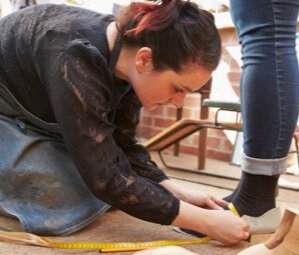
- Measure the length and width of both feet.
- Fit your shoes to the larger foot.
- Try shoes on late in the day.
- Choose straps or laces you can adjust.
- Leave about a half inch of space past your longest toe.
Avoid
- Narrow or pointed toes.
- Tight elastic or straps that dig in.
- Going up a size to get more width.
- Shoes that feel tight on the first try.
- Slip-on styles you cannot adjust.

Roomy sneakers up to 6E
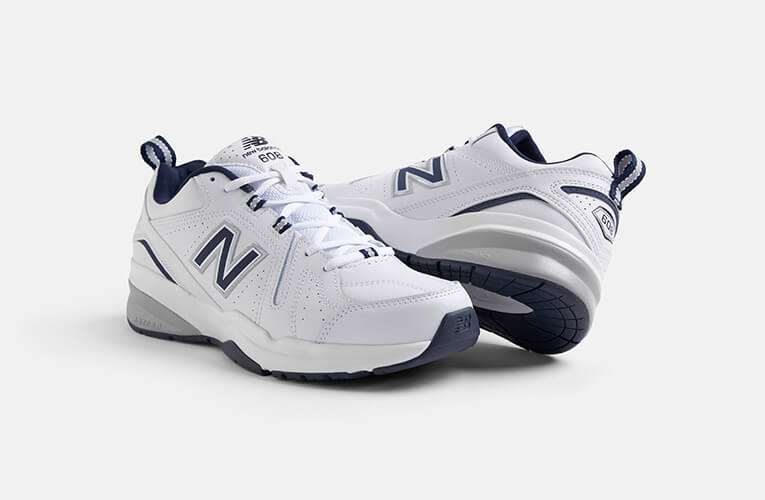
New Balance makes many of our best sellers in true wide widths, up to 6E. Most have a removable insole for extra room.
Not sure of your width?
Measure your feet at home. Then use our tools to find your width.

Swollen feet shoe questions
Why do my feet swell?
Swelling happens when fluid builds up in the feet, ankles and legs. This is called edema. It is common with long periods of standing, long flights or car rides, being overweight and increased age.
What shoes are best for swollen feet?
Choose shoes with extra width and extra depth. Hook-and-loop (Velcro) straps or laces let you change the fit as your swelling changes during the day.
Should I buy a bigger size for swollen feet?
No. A longer shoe does not give you more width, and your foot can slide forward. Keep your normal length and choose a wider width, such as 6E or 8E. Our Width Fit Finder can help.
When should I try on shoes if my feet swell?
Try on shoes late in the day, when your feet are at their largest. Then the fit stays comfortable all day.
When should I see a doctor about swollen feet?
Call 911 if you are short of breath. Contact your doctor if your foot is red or warm, if you have a fever, if swelling is new in only one leg, or if self-care does not help.