


Shoes for Lymphedema
Extra-wide, adjustable shoes for swollen feet and legs
Lymphedema can make your feet swell and change size. Our shoes come in true widths up to 8E. Many styles have hook-and-loop (Velcro) straps, so you can adjust the fit each day.
- Widths 2E to 8E
- Extra depth
- Hook-and-loop styles
- Removable insoles

What is lymphedema?
Lymphedema is swelling caused by a buildup of lymph fluid. It happens when the lymph vessels are blocked or damaged. The main symptom is swelling that does not go away, usually in an arm or a leg.
A leg or foot with lymphedema can feel heavy, full or tight. The tight feeling can reach your toes. The swelling can make the leg look larger and make it harder to move.
Lymphedema is a long-term condition. Treatment includes compression stockings or bandages, exercise and good skin care. Your doctor or lymphedema therapist can tell you what you need.
Avoid tight bands and elastic that press on the swollen area. That is why shoes with extra width, extra depth and adjustable straps are a good choice.
Wide fit best sellers for lymphedema
Our best-selling extra-wide and adjustable styles from the last six months.
Women's
Shop all women's


What to look for in shoes for lymphedema
Extra width
Choose a true wide width, from 2E up to 8E. Do not go up a size to get more room.
Learn about widthsExtra depth
A deep shoe has room for a swollen foot and a compression stocking.
Shop deep-fitting shoesAdjustable straps
Hook-and-loop (Velcro) straps or laces let you change the fit as your swelling changes.
Shop hook-and-loop stylesSoft, smooth linings
Pick soft uppers and smooth linings with no rough seams that can rub your skin.
Shop soft slippersShop wide fit styles
Getting the fit right

Do
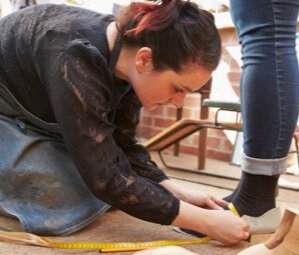
- Measure the length and width of both feet.
- Fit your shoes to the larger foot.
- Try shoes on with your compression stockings.
- Choose straps or laces you can adjust.
- Check your feet for red marks after you take your shoes off.
Avoid
- Narrow or pointed toes.
- Tight elastic or straps that dig in.
- Going up a size to get more width.
- Shoes that feel tight on the first try.
- Rough seams that rub your skin.

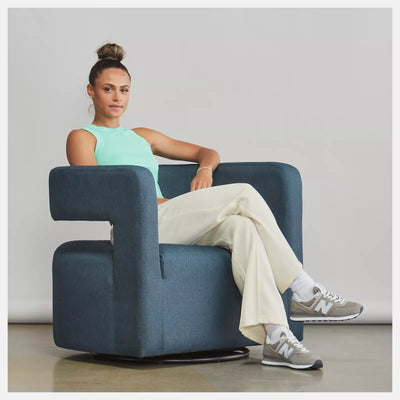
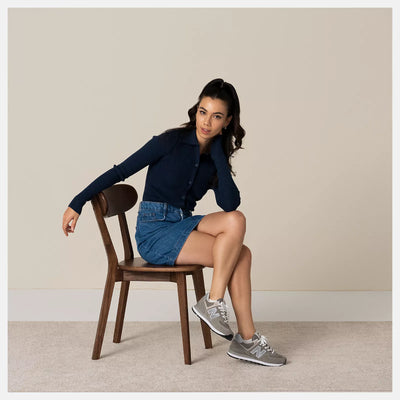
Roomy sneakers up to 6E
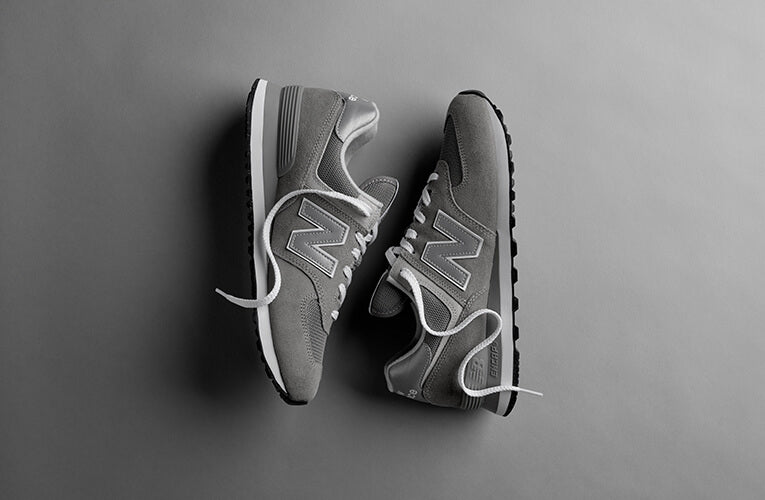
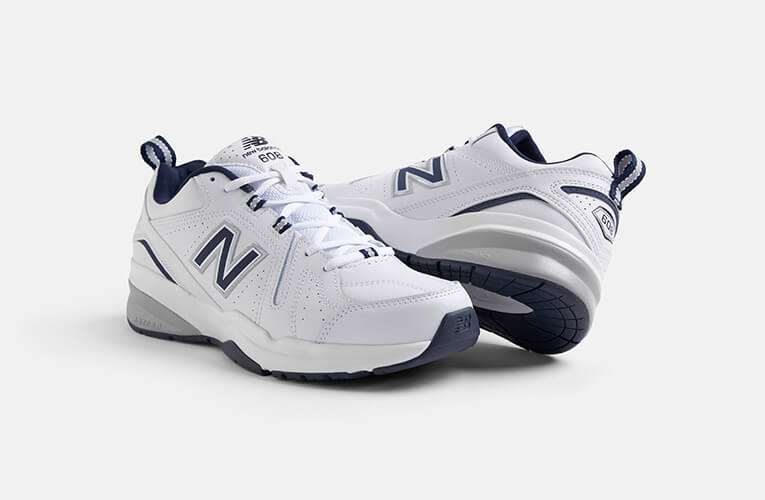
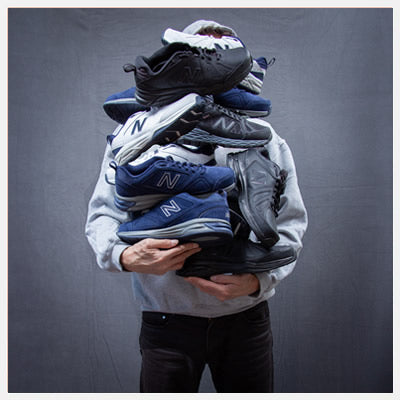
New Balance makes many of our best sellers in true wide widths, up to 6E. Most have a removable insole for extra room.
Not sure of your width?
Measure your feet at home. Then use our tools to find your width.

Lymphedema shoe questions
What is lymphedema?
Lymphedema is swelling caused by a buildup of lymph fluid. It happens when the lymph vessels are blocked or damaged. It usually affects an arm or a leg.
What shoes are best for lymphedema in the legs or feet?
Choose shoes with extra width and extra depth, so the shoe does not press on a swollen foot. Laces or hook-and-loop (Velcro) straps let you change the fit as your swelling changes. A removable insole gives you more room inside.
What if one foot is bigger than the other?
Measure both feet. Fit your shoes to the larger foot. Adjustable straps or laces help you get a good fit on the smaller foot. Our Width Fit Finder can help.
Should I buy a bigger size?
No. A longer shoe does not give you more width, and your foot can slide forward. Keep your normal length and choose a wider width, such as 6E or 8E.
Can I wear compression stockings with these shoes?
Yes. Try on new shoes with the stockings or socks you wear every day. Extra depth gives room for the stocking and your foot.
Why does skin care matter with lymphedema?
Lymphedema can cause skin breakdown and wounds. A skin infection called cellulitis can cause pain, redness, swelling, warm skin and fever. Call your doctor right away if you have these signs.