


Shoes for Gout
Roomy, adjustable shoes that stay off a sore big toe
Gout often starts in the big toe joint. Our wide and extra-wide shoes give that joint room. Many styles have hook-and-loop (Velcro) straps, so you can adjust the fit on flare days.
- Widths 2E to 8E
- Deep, roomy toe boxes
- Hook-and-loop styles
- Removable insoles

What is gout?
Gout is a painful type of arthritis. It usually affects one joint at a time. More than half of gout flares start in the big toe. Gout can also affect the knee and ankle.
Extra uric acid in the body can form crystals in a joint. These crystals cause severe pain and swelling. The pain starts suddenly, often at night. The joint can look red and feel warm.
The joint can be very tender to the lightest touch. Putting weight on it can be very difficult. That is why the fit of your shoes matters.
Symptoms come and go. A flare can last for days or weeks. Gout is more common in men, in women after menopause and in people with a family history of gout. If you think you have gout, see a podiatrist or doctor. Treatment can control flares.
Wide fit best sellers for gout
Our best-selling roomy and adjustable styles from the last six months.
Women's
Shop all women's


What to look for in shoes for gout
A wide, deep toe box
The big toe joint needs room. A deep toe box keeps the shoe off a sore, swollen joint.
Shop deep-fitting shoesAdjustable straps
Hook-and-loop (Velcro) straps let you loosen or tighten the fit. Change the fit on days when your joint is swollen.
Shop hook-and-loop stylesA soft, smooth upper
Pick soft leather, mesh or knit. Avoid stiff seams that sit on the big toe joint.
Shop soft sneakersTrue extra widths
Get the width you need, from 2E up to 8E. Do not size up in length to get more room.
Learn about widthsRemovable insoles
A removable insole gives you space for a custom orthotic from your podiatrist.
Shop removable insolesEasy on, easy off
Adjustable sandals and slippers are easy to put on when your foot is sore.
Shop wide sandalsShop wide fit styles
Getting the fit right

Do
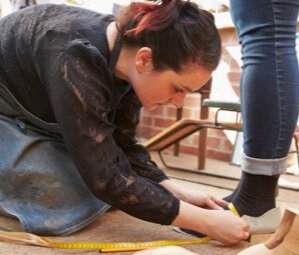
- Measure the width of both feet.
- Fit your shoes to the larger foot.
- Try shoes on with the socks you wear every day.
- Leave about a half inch of space past your longest toe.
- Choose straps or laces you can adjust.
Avoid
- Narrow or pointed toes.
- Stiff seams over the big toe joint.
- Buying a longer size to get more width.
- Thin straps that you cannot adjust.
- Shoes that feel tight on the first try.

Cushioned sneakers in 2E to 6E
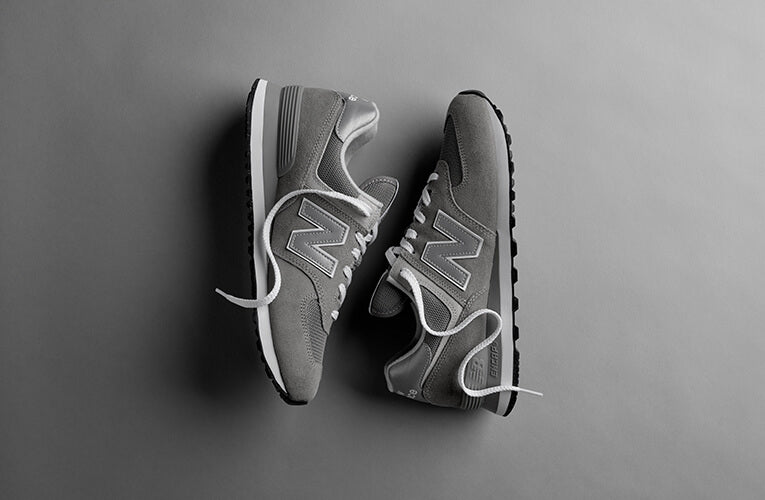
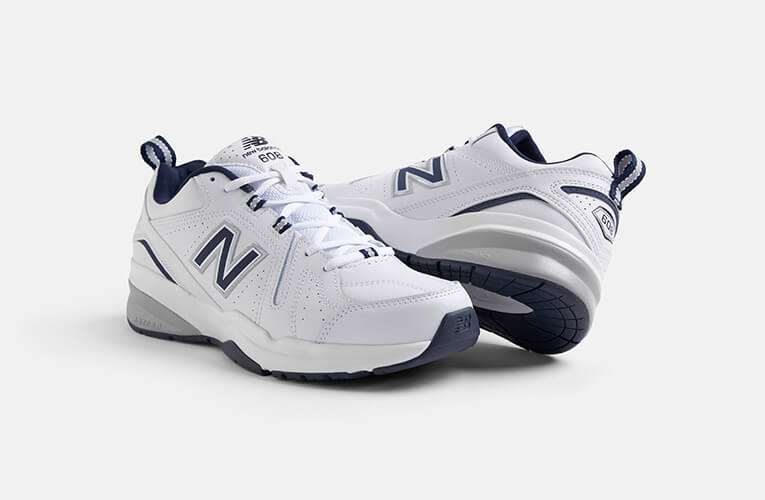
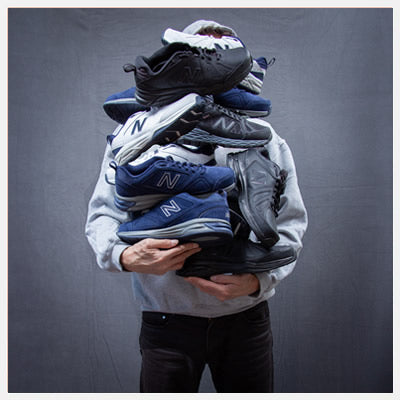
New Balance makes many of our best sellers in true wide widths. Choose cushioned ABZORB and Fresh Foam styles. Many have removable insoles.
Not sure of your width?
Measure your feet at home. Then use our tools to find your width.

Gout shoe questions
What is gout?
Gout is a painful type of arthritis. Extra uric acid in the body can form crystals in a joint. These crystals cause sudden pain and swelling.
Where does gout usually start?
Gout usually affects one joint at a time. More than half of gout flares start in the big toe. It can also affect the knee and ankle.
How long does a gout flare last?
A flare can last for days or weeks. Then symptoms go away for a period called remission. With treatment, symptoms get better more quickly. Talk to your doctor or podiatrist about treatment.
What shoes are best for gout?
Choose shoes with a wide, deep toe box and a soft upper. These give the big toe joint room, so the shoe does not press on it. Adjustable hook-and-loop (Velcro) straps or laces let you change the fit on days when your joint is swollen.
Should I buy a bigger size if my foot is swollen?
No. A longer shoe does not give you more width, and your foot can slide forward. Keep your normal length and choose a wider width, such as 4E or 6E. Our Width Fit Finder can help.
Can I wear my orthotics in these shoes?
Yes, in many styles. Many of our sneakers and shoes have removable insoles. Take out the insole and put in the orthotic from your podiatrist.