


Shoes for Orthotics
Room for your orthotics, without the squeeze
An orthotic only works if your shoe has room for it. Our shoes have removable insoles, extra depth and true extra widths, so your custom or store-bought inserts fit comfortably.
- Removable insoles
- Extra depth
- Widths 2E to 8E
- Firm heel counters

What are orthotics?
Orthotics are inserts that go inside your shoes. They can support your arch, cushion your heel or correct the way your foot moves. A podiatrist may prescribe custom orthotics for conditions such as plantar fasciitis, flat feet, arthritis or diabetes. Others are sold over the counter.
An orthotic takes up space inside the shoe. In a standard shoe, it can push your foot up against the top or squeeze it at the sides. That causes rubbing and pressure.
The best shoes for orthotics have a removable insole, so you can take it out and put the orthotic in its place. They also need enough depth and width for your foot, and a firm heel to keep the orthotic in position.
Ask your podiatrist or doctor which type of orthotic is right for you.
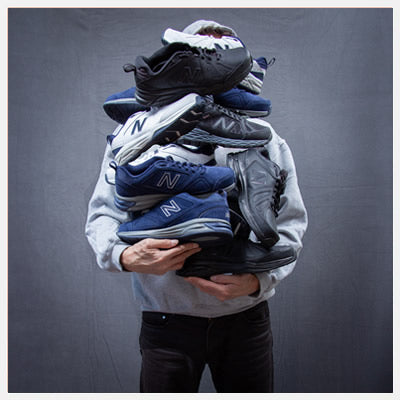
Wide fit best sellers for orthotics
Our best-selling styles with removable insoles, from the last six months.
Women's
Shop all women's


What to look for in shoes for orthotics
A removable insole
Take out the shoe's insole and put your orthotic in its place.
Shop removable insolesExtra depth
A deeper shoe leaves room above your toes once the orthotic is in.
Shop deep-fitting shoesTrue extra widths
Orthotics can be wider than a standard insole. Choose your width, from 2E up to 8E.
Learn about widthsA firm heel counter
A firm back holds your heel and the orthotic in the right place.
Shop New BalanceAn adjustable fit
Laces or hook-and-loop straps let you fine-tune the fit once the orthotic is in.
Shop hook-and-loop shoesA closed back
Orthotics work best in closed shoes. Slides and backless styles let them slip.
Shop sneakersShop wide fit styles
Getting the fit right

Do
- Take out the shoe's insole before adding your orthotic.
- Try shoes on with your orthotics and usual socks.
- Check your heel sits flat and secure.
- Leave about a half inch past your longest toe.
- Measure both feet and fit to the larger one.
Avoid
- Putting an orthotic on top of a fixed insole.
- Shallow shoes that press on your toes.
- Backless slides and mules.
- Going up a size to make room.
- Shoes that need breaking in.

Orthotic-friendly sneakers up to 6E
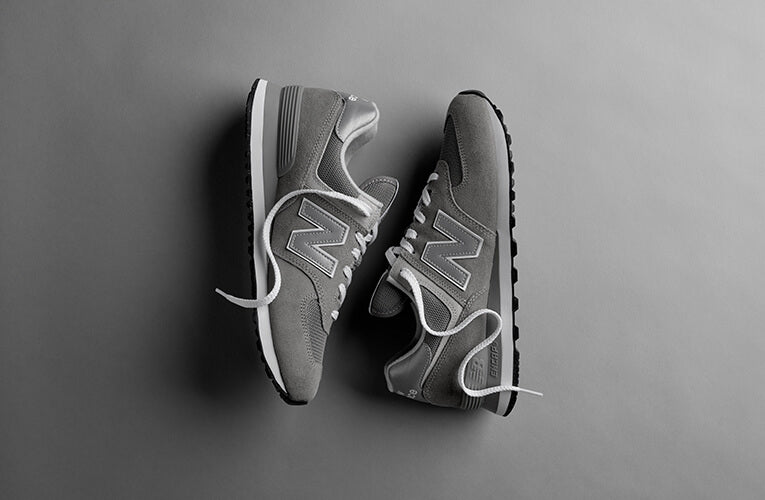
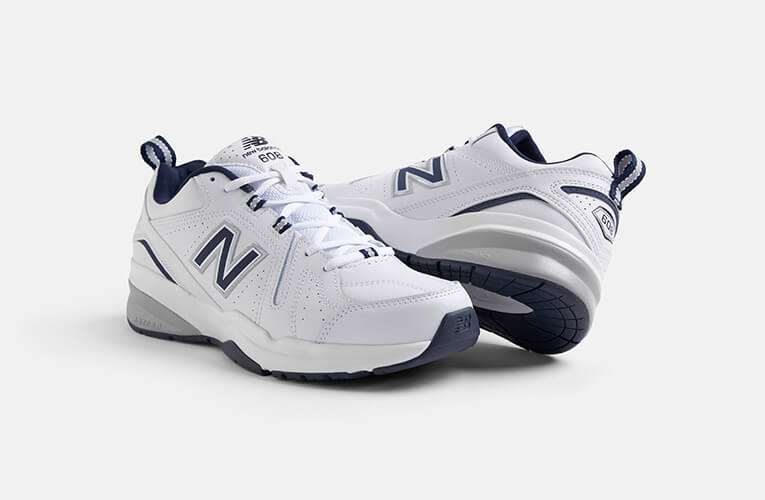
Most New Balance sneakers have a removable insole and come in true wide widths, up to 6E, so there is room for your orthotic.
Not sure of your width?
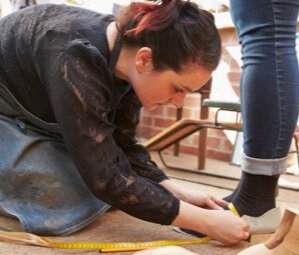
Measure your feet at home. Then use our tools to find your width.

Orthotic shoe questions
What are orthotics?
Orthotics are inserts that go inside your shoes to support, cushion or correct the foot. They can be custom-made from a prescription or bought over the counter.
What shoes work best with orthotics?
Choose shoes with a removable insole, enough depth for the orthotic, a firm heel counter and the right width. Laces or straps help you adjust the fit once the orthotic is in. Shop women's or shop men's.
Should I take out the insole before adding an orthotic?
Yes, in most cases. Take out the shoe's own insole and put the orthotic in its place. This keeps the depth of the shoe the same, so your foot is not pushed up against the top.
Do I need a wider shoe for orthotics?
Often, yes. An orthotic takes up room inside the shoe. A wider, deeper fit gives your foot and the orthotic space without rubbing.
Should I bring my orthotics when I measure my feet?
Yes. Try new shoes with your orthotics and the socks you normally wear, so the fit is right from the start.