




Orthopedic Shoes
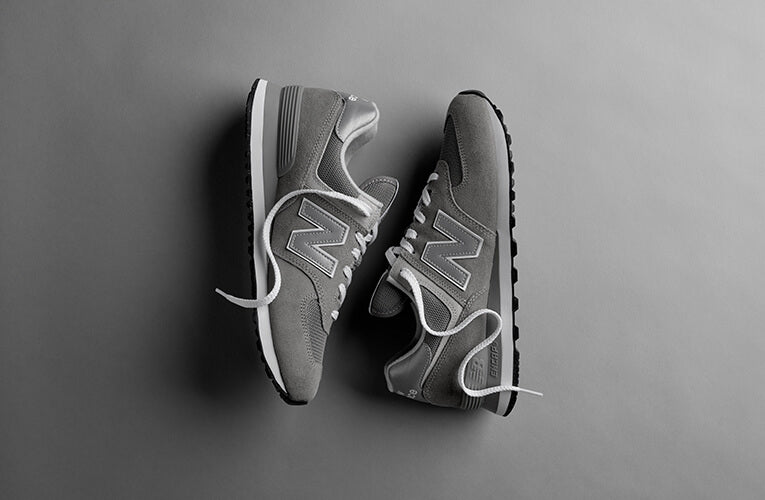
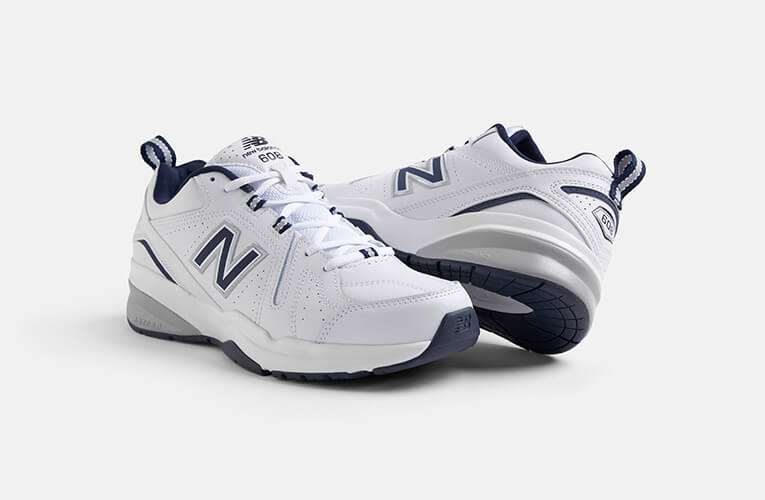
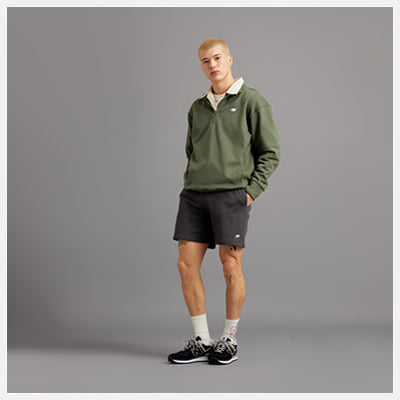
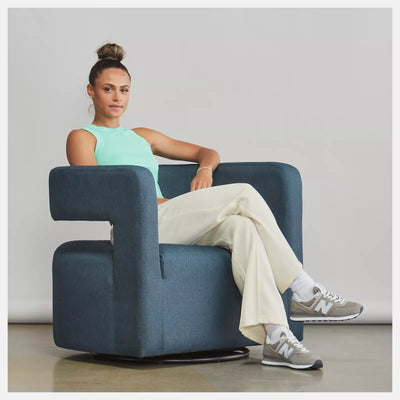
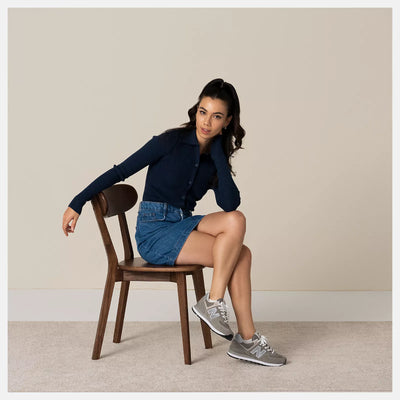
Orthopedic support that looks like everyday shoes
Our orthopedic shoes give you the room, support and adjustability your feet need, in true extra widths from 2E to 8E. Choose from sneakers, hook-and-loop shoes, sandals, slippers and boots.
- Widths 2E to 8E
- Deep toe boxes
- Supportive soles
- Removable insoles

What makes a shoe orthopedic?
Orthopedic shoes are designed to support your feet and reduce pressure on painful areas. They usually have a wide, deep toe box, a firm heel counter, a supportive sole and a removable insole, so you can use your own orthotic.
Many foot problems are made worse by tight shoes. The American Academy of Orthopaedic Surgeons notes that shoes that are too narrow or too short can lead to bunions, hammer toes, corns and other painful problems.
Orthopedic shoes can help if you have wide feet, bunions, hammer toes, arthritis, diabetes, swollen feet or plantar fasciitis. They are also a good choice if you wear orthotics.
Our shoes are wide fit comfort shoes, not prescription footwear. If you need medical shoes, ask your podiatrist or doctor.
Wide fit orthopedic best sellers
Our best-selling supportive styles from the last six months.
Women's
Shop all women's


What to look for in orthopedic shoes
A deep, roomy toe box
Room for your toes stops rubbing on bunions, hammer toes and corns.
Shop deep-fitting shoesTrue extra widths
Choose your width, from 2E up to 8E, instead of going up a size.
Learn about widthsA firm heel counter
A firm back keeps your heel steady and helps you walk with confidence.
Shop New BalanceA supportive sole
A cushioned, stable sole absorbs shock and supports your arch.
Shop supportive sneakersA removable insole
Swap in your own orthotic or insert from your podiatrist.
Shop removable insolesAdjustable fastenings
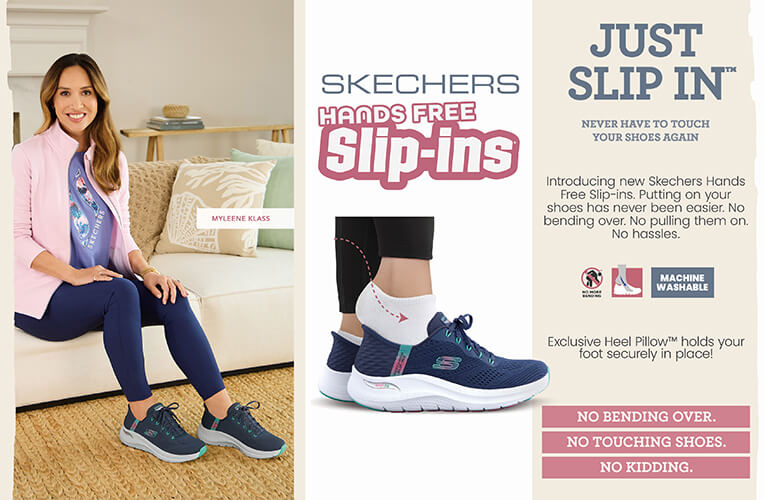
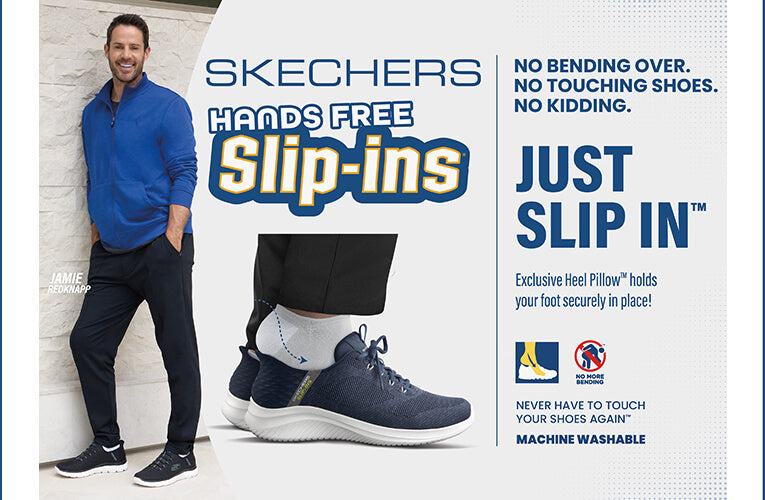
Hook-and-loop straps or laces let you adjust the fit through the day.
Shop hook-and-loop shoesShop wide fit styles
Getting the fit right

Do
- Measure both feet and fit to the larger one.
- Try shoes on late in the day.
- Leave about a half inch past your longest toe.
- Wear the socks and orthotics you normally use.
- Walk around to check the heel stays in place.
Avoid
- Narrow or pointed toes.
- High heels.
- Thin, unsupportive soles.
- Going up a size to get more room.
- Shoes that need breaking in.

Supportive sneakers up to 6E
New Balance walking sneakers combine stability, cushioning and removable insoles with true wide widths, up to 6E.
Not sure of your width?
Measure your feet at home. Then use our tools to find your width.

Orthopedic shoe questions
What are orthopedic shoes?
Orthopedic shoes are designed to support the feet and give extra room and comfort. They often have a wide, deep toe box, a firm heel counter, a supportive sole, a removable insole and adjustable fastenings.
Who needs orthopedic shoes?
They can help people with wide feet, bunions, hammer toes, arthritis, diabetes, swelling or plantar fasciitis, and anyone who wears orthotics. Your podiatrist or doctor can advise you.
Are your orthopedic shoes prescription footwear?
No. Our shoes are wide fit comfort shoes with orthopedic features. If your doctor has prescribed custom or medical footwear, follow their advice.
Can I wear my own orthotics?
Yes. Many of our shoes have removable insoles, so you can take the insole out and put your orthotic in its place. See shoes for orthotics.
Do orthopedic shoes have to look medical?
No. Our range includes sneakers, hook-and-loop shoes, sandals, slippers and boots that look like everyday shoes but have the room and support you need. Shop women's or shop men's.