



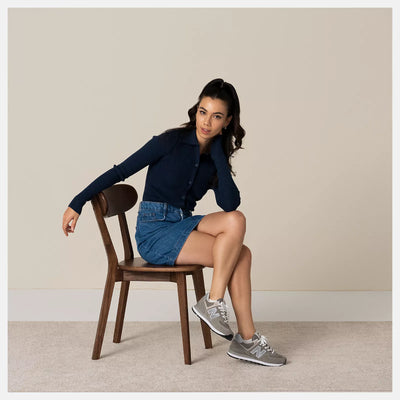
Shoes for Problem Feet
Comfortable shoes for feet that don't fit standard sizes
Bunions, hammer toes, swelling, arthritis or diabetes can all make shoes hard to fit. Our shoes come in true extra widths from 2E to 8E, with deep toe boxes, adjustable fastenings and removable insoles.
- Widths 2E to 8E
- Deep toe boxes
- Adjustable fit
- Removable insoles

Why the right fit matters
Many foot problems are made worse by shoes that do not fit. The American Academy of Orthopaedic Surgeons notes that shoes that are too narrow or too short can lead to bunions, hammer toes, corns and other painful problems.
Feet also change over time. They can get wider and flatter with age, and conditions such as arthritis, diabetes and swelling can change their shape or size during the day.
The answer is not a bigger size. A longer shoe does not add width or depth. Instead, choose your normal length in a wider width, with a deep, roomy toe box and a fastening you can adjust.
If you have foot pain, sores or swelling that does not go away, see a podiatrist or doctor.
Find shoes for your feet
Bunions
Wide toe boxes and soft uppers that take pressure off the big toe joint.
Shoes for bunionsSwollen feet
Extra room and adjustable straps for feet that swell during the day.
Shoes for swollen feetWide fit best sellers
Our best-selling roomy, supportive styles from the last six months.
Women's
Shop all women's


Shop wide fit styles
Getting the fit right

Do
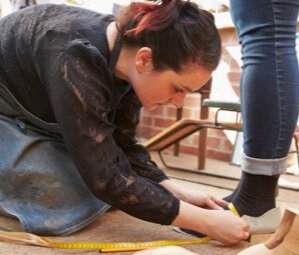
- Measure the length and width of both feet.
- Fit your shoes to the larger foot.
- Try shoes on late in the day.
- Leave about a half inch past your longest toe.
- Wear the socks and orthotics you normally use.
Avoid
- Narrow or pointed toes.
- High heels.
- Stiff seams over sore spots.
- Going up a size to get more room.
- Shoes that need breaking in.

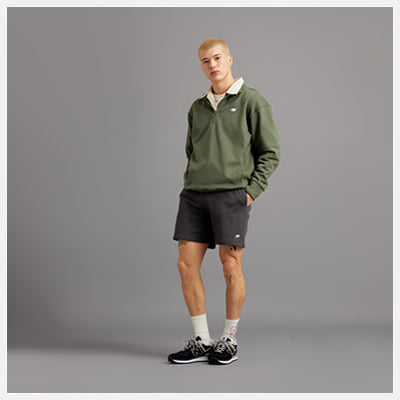
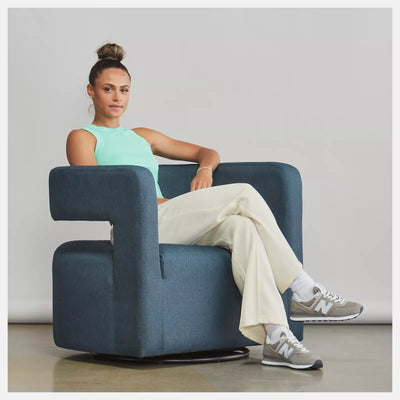
Roomy sneakers up to 6E
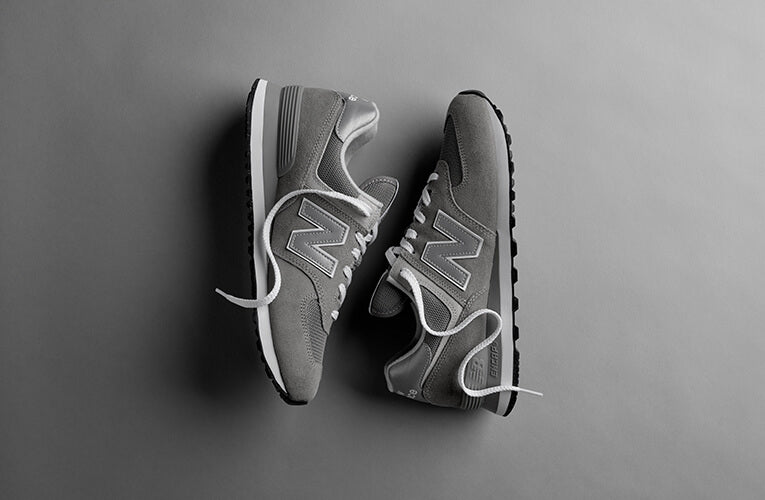
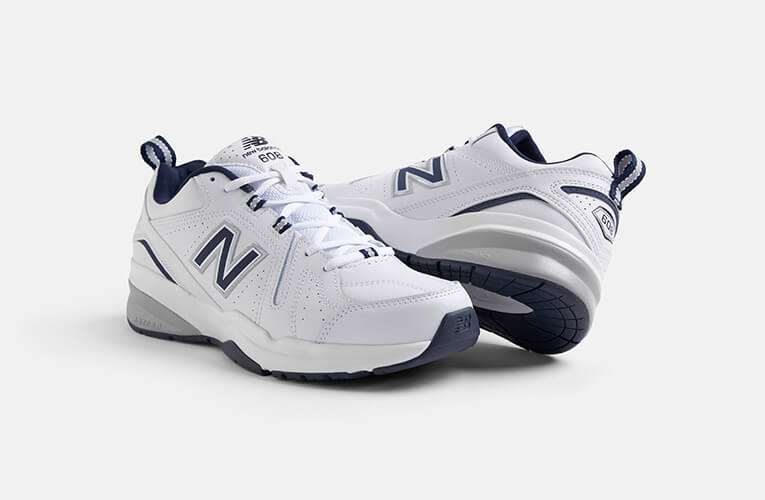
New Balance makes many of our best sellers in true wide widths, up to 6E. Most have a removable insole for extra depth or your own orthotic.
Not sure of your width?
Measure your feet at home. Then use our tools to find your width.

Problem feet questions
What are shoes for problem feet?
They are shoes made with extra width, depth and support for feet that do not fit standard shoes, such as feet with bunions, hammer toes, swelling, arthritis or diabetes.
Can tight shoes cause foot problems?
Yes. The AAOS notes that shoes that are too narrow or too short can lead to bunions, hammer toes, corns and other painful foot problems.
What widths do you offer?
We offer true extra widths from 2E to 8E, depending on the style. Use our Width Fit Finder or a free measuring tape to find your width.
Should I go up a size if my shoes are tight?
No. A longer shoe does not add width or depth, and your foot can slide forward. Keep your normal length and choose a wider width.
Can I use my own orthotics?
Yes. Many of our shoes have removable insoles, so you can put your orthotic in place of the original insole. Shop removable insoles.